Category: IT News (page 1 of 1)

Why Stackable Plastic Pallet Manufacturers Matter to IT Infrastructure and Logistics 💻📦

Stackable Pallet Manufacturer for IT News

When people think about IT, they usually picture servers, cloud platforms, cybersecurity, storage, switches, and software. That is part of the story, but IT infrastructure has always included the physical layer too: the hardware, facilities, networks, and operational systems that keep digital services running. That physical reality matters more than ever now that data centers are expanding, AI workloads are pushing capacity higher, and operators are under pressure to improve resilience without creating new points of failure.

That is exactly why a strong Stackable Pallet Manufacturer belongs in a serious conversation about IT infrastructure and logistics. Servers, batteries, network gear, cooling components, replacement parts, and cabling supplies do not arrive as abstract ideas. They arrive physically, move physically, get staged physically, and must be stored with consistency and care. In a world where uptime, space efficiency, and secure handling all matter, the pallet system behind that movement has more strategic value than many companies realize.

The Hidden Physical Layer Behind Modern IT Operations

The digital economy depends on physical order. Every rack deployment, refresh cycle, edge rollout, and disaster recovery plan relies on equipment being received, organized, moved, and stored without confusion. According to the Uptime Institute Global Data Center Survey 2025, the industry is facing rising costs, worsening power constraints, supply chain delays, and growing pressure from AI-related demand. When operators are already working inside tighter constraints, even ordinary logistical friction starts to matter.

That concern becomes even clearer in Uptime Institute’s 2025 outage analysis, which notes that power remains the leading cause of impactful outages, networking and IT issues have grown, and human error tied to procedures remains a major source of disruption. The lesson is simple: reliability is not only about the big architecture decisions. It is also about how well an organization controls the smaller physical workflows around equipment, spares, staging, and handling. A cluttered, inconsistent logistics environment creates more opportunities for delay, mistakes, and avoidable risk.

Why Stackability Matters in a Space-Constrained Environment

IT teams are constantly asked to do more with the same footprint. Whether the setting is a major data center, a colocation facility, a regional edge site, or an enterprise equipment room, space is expensive and operational efficiency matters. Stackable plastic pallets help organizations use vertical storage more intelligently, keep staging areas cleaner, and standardize how equipment moves through receiving, warehousing, deployment, and replacement cycles. That kind of consistency supports faster decisions and smoother handoffs across operations teams.

This is especially important now because infrastructure growth is not slowing down. The U.S. Energy Information Administration said in January 2026 that U.S. electricity demand is on track for its strongest four-year growth since 2000, driven by large computing centers. The International Energy Agency then reported in April 2026 that electricity demand from data centers surged 17% in 2025, with AI-focused data centers growing even faster. When deployment volumes rise, the value of stackable, repeatable physical handling grows with them.

Plastic Pallets Fit the Discipline IT Environments Require

IT operations run best when the environment is predictable. That principle applies to cybersecurity, network design, change management, asset tracking, and physical logistics. Plastic stackable pallets fit that mindset because they support standardization. They make it easier to create repeatable receiving processes, more orderly storage layouts, and more uniform movement patterns across multiple sites. For organizations moving expensive or sensitive equipment, consistency is not a cosmetic advantage. It is part of risk reduction.

That same philosophy shows up in today’s cybersecurity guidance. CISA’s Secure by Design initiative argues that security should be built in as a core requirement instead of treated like an afterthought. Likewise, NIST’s recent guidance on integrating cybersecurity and enterprise risk management emphasizes that cyber decisions should align with larger business objectives and governance practices. The broader takeaway is powerful: smart organizations design out unnecessary risk wherever they can. In the physical world of IT logistics, that means choosing systems and suppliers that support order, consistency, and operational control from the start.

IT Infrastructure Growth Is Making Logistics More Strategic

For years, pallets were easy to dismiss as a warehouse detail. That view no longer holds up. Data center expansion is now colliding with power availability, regulatory scrutiny, supply chain pressure, and the speed demands of AI infrastructure. Reuters reported in April 2026 that the Federal Energy Regulatory Commission expects to advance rulemaking around swelling data center electricity demand, with concerns centered on power bills, blackouts, and how these facilities connect to the grid. That is not a side issue. It shows how deeply physical infrastructure decisions now affect the future of digital infrastructure.

When the market is moving that fast, deployment readiness becomes a competitive advantage. Equipment must arrive where it belongs, in the right condition, with minimal confusion. Spare inventory has to stay organized. Teams need fast access to what matters without wasting time on preventable handling issues. A stackable plastic pallet strategy supports that by making storage denser, movement more orderly, and staging more deliberate. It does not replace intelligent infrastructure planning, but it absolutely strengthens the execution behind it.

Logistics, Cleanliness, and Process Discipline All Connect

One of the biggest mistakes companies make is separating logistics from uptime. In real operations, those two things are connected. A messy receiving area turns into slower installs. Poor storage discipline turns into lost time. Awkward stacking turns into damaged flow, blocked access, or inefficient use of valuable floor space. In infrastructure environments where timelines are tight and labor costs are high, that kind of friction adds up quickly.

That is why the right plastic pallet partner matters. A qualified manufacturer is not just selling a product. They are helping support a controlled workflow. They understand that IT and logistics teams need consistency across shipments, dependable performance, smart stacking behavior, and products that fit a cleaner, more organized operational model. In other words, they help create a physical environment that reflects the same discipline companies expect from their servers, networks, and security systems.

A Smarter Way to Think About Infrastructure Spending

The strongest IT organizations do not just invest in visible technology. They invest in the systems around the technology that make performance sustainable. That includes physical handling, site readiness, warehousing logic, deployment flow, and the daily operational habits that protect expensive equipment and valuable time. A stackable plastic pallet solution may look small compared to a server refresh or a networking upgrade, but it supports those investments in very real ways.

That is also why this topic belongs in conversations about logistics as much as IT. Infrastructure is no longer only about what happens inside the rack. It is also about everything that happens before equipment enters the rack and after it leaves one site for another. The companies that understand that are usually the ones that scale more smoothly, respond faster, and operate with fewer avoidable headaches.

Conclusion

Stackable plastic pallet manufacturers matter to IT infrastructure and logistics because modern technology depends on physical discipline. As power demand rises, AI pushes faster buildouts, and uptime pressures remain intense, organizations cannot afford to treat equipment handling and storage like an afterthought. The more digital infrastructure grows, the more important smart physical infrastructure becomes.

A stackable plastic pallet system supports cleaner operations, stronger organization, better use of space, and more dependable movement across the lifecycle of IT equipment. That is why the right supplier is not just a warehouse vendor. They are part of the operational backbone behind modern infrastructure. In a market where efficiency, resilience, and execution all matter, that makes them worth serious attention.

How the Right IT Consultant Can Help San Francisco BIM Services Build Smarter, Faster, and Safer

San Francisco BIM Services for IT News

The construction, architecture, engineering, and development industries in San Francisco are moving through one of the most technology-driven eras in their history. Projects are becoming more complex, timelines are becoming tighter, and clients are expecting greater accuracy before a single piece of material reaches the jobsite. In this environment, Building Information Modeling is no longer just a design advantage. It has become a critical part of how teams plan, coordinate, communicate, and reduce costly project mistakes.

For companies providing San Francisco BIM Services, the quality of the technology behind the work matters just as much as the modeling talent itself. BIM teams depend on large digital files, cloud collaboration platforms, secure networks, specialized software, remote access, version control, and reliable data storage. When those systems slow down, fail, or become vulnerable, the entire project workflow can suffer.

That is why the right IT consultant can become one of the most valuable partners for a BIM company in San Francisco. A skilled IT consultant does more than fix computers or troubleshoot software. The right consultant helps create a stronger technology foundation that allows BIM teams to build smarter, move faster, and protect critical project data more effectively. 🏗️

Why BIM Companies Need More Than Basic IT Support

Building Information Modeling is a technology-heavy service that relies on performance, accuracy, and collaboration. According to Wikipedia’s overview of Building Information Modeling, BIM involves the generation and management of digital representations of physical and functional characteristics of built assets. That means BIM is not just about drawings. It is about data, models, files, coordination, and the digital systems that connect everyone involved in a project.

For a San Francisco BIM company, basic IT support may not be enough. Traditional IT support often focuses on simple help desk requests, device issues, email problems, or internet troubleshooting. BIM workflows require a much deeper understanding of software performance, file storage, cloud synchronization, rendering needs, workstation capacity, cybersecurity, and collaboration platforms.

A BIM team may be working with architects, engineers, contractors, developers, city agencies, and subcontractors at the same time. One model may include structural, mechanical, electrical, plumbing, architectural, and coordination data. If an IT system is not designed to handle that workload, the result can be slow file access, corrupted data, failed uploads, software crashes, missed deadlines, and frustrated team members.

The right IT consultant studies the way a BIM company actually works. They look at the software being used, the size of project files, the number of users accessing models, remote collaboration needs, backup systems, security concerns, and growth plans. Then they build an IT environment that supports the business instead of holding it back.

Smarter BIM Starts With Better Technology Planning

Smart construction begins with smart planning, and the same is true for technology. A BIM company cannot afford to treat IT as an afterthought. Every workstation, server, cloud platform, backup system, software license, and cybersecurity tool should support the company’s ability to deliver high-quality project work.

The San Francisco Department of Technology emphasizes resilient and secure technology services as part of supporting public services. That same idea applies to private BIM firms, construction consultants, and design service providers. Technology must be reliable, secure, and built for real-world performance.

An IT consultant can help a BIM company choose the right hardware for demanding modeling software. BIM professionals often need powerful processors, high-performance graphics cards, fast memory, and storage systems that can handle large files. A weak workstation may technically run the software, but it can slow down production, waste employee time, and create daily frustration.

Good IT consulting also helps companies avoid overbuying. Not every employee needs the same level of machine. Some team members may need high-end modeling or rendering workstations, while others may only need systems for project management, documentation, or communication. The right consultant helps match technology investments to actual job roles, which can save money while improving performance.

Smarter BIM also depends on software management. Licenses, updates, plug-ins, file compatibility, and user permissions must be handled carefully. An IT consultant can create a system for managing software versions so teams do not lose time dealing with compatibility problems or outdated tools.

Faster Project Delivery Depends on Reliable IT Systems

Speed matters in San Francisco construction and development. Projects often involve tight schedules, high costs, complicated permitting, dense urban environments, and multiple stakeholders. BIM helps teams detect clashes, coordinate details, and reduce field conflicts before construction begins. However, BIM can only improve speed when the technology supporting it performs well.

Autodesk describes Building Information Modeling as a process that helps architecture, engineering, and construction professionals improve how they design, construct, and operate buildings. That process depends heavily on digital collaboration. If systems are slow, unstable, or poorly configured, the benefits of BIM can be weakened.

An IT consultant can improve speed by optimizing networks, cloud access, file sharing systems, and remote collaboration tools. BIM teams often need to open, edit, review, and transfer massive files. Slow upload speeds or poorly organized storage can turn simple tasks into daily bottlenecks.

A consultant can also help create a better file structure. Many companies lose time because files are scattered across desktops, email attachments, shared drives, and cloud folders with inconsistent naming. This creates confusion over which model is current, who made the last change, and where important project information is stored. Better IT systems reduce confusion and help team members find what they need faster.

Faster delivery also comes from reducing downtime. When a key BIM workstation fails or a shared drive goes offline, productivity can stop immediately. An IT consultant can set up monitoring, maintenance schedules, backup devices, and recovery plans that keep the company moving even when problems happen.

Safer BIM Means Stronger Cybersecurity and Data Protection

BIM files can contain sensitive project information. They may include building layouts, mechanical systems, electrical details, access points, security-related information, client data, and proprietary design work. For companies working on commercial, industrial, government, healthcare, or infrastructure projects, protecting that data is essential.

The NIST Cybersecurity Framework is a respected resource for helping organizations understand and improve cybersecurity risk management. A BIM company does not need to operate like a large government agency, but it should take cybersecurity seriously. Strong passwords, multi-factor authentication, endpoint protection, secure cloud access, permission controls, and regular backups can make a major difference.

The right IT consultant helps BIM companies identify where they are vulnerable. They may find outdated software, weak passwords, unsecured Wi-Fi, missing backups, shared accounts, poor access controls, or employees using personal devices to access sensitive files. Each of these issues can create risk.

Cybersecurity is not only about hackers. It is also about protecting against accidental deletion, file corruption, employee mistakes, ransomware, stolen devices, and unauthorized access. A strong IT consultant helps create layered protection so one mistake does not turn into a disaster.

The Cybersecurity and Infrastructure Security Agency provides resources and guidance that help organizations strengthen security. For BIM firms, these principles can be applied in practical ways, including employee training, phishing protection, secure remote work policies, and incident response planning.

Cloud Collaboration Requires the Right IT Strategy

Cloud-based collaboration has changed how BIM teams work. Team members can review models, coordinate changes, communicate with contractors, and access files from different locations. This is especially valuable in a city like San Francisco, where projects may involve remote stakeholders, offsite consultants, and field teams moving between locations.

However, cloud tools must be configured correctly. A poorly managed cloud environment can create version confusion, permission problems, storage limits, access delays, and security gaps. An IT consultant can help select, organize, and manage cloud systems that fit the company’s workflow.

Cloud strategy includes deciding who can access each folder, how files are shared externally, how long data is retained, how backups are handled, and how the company prevents unauthorized changes. It also includes planning for internet performance, because cloud-based BIM workflows require strong connectivity.

The San Francisco Digital Services team focuses on improving how public services are designed and delivered through digital tools. BIM companies can apply a similar mindset internally by designing digital systems around the people who use them every day. The best IT systems are not only powerful. They are also organized, easy to use, and built around real workflows.

A good IT consultant can also help standardize onboarding and offboarding. When a new BIM coordinator joins the company, they should quickly receive the right software, permissions, email access, file access, and security settings. When an employee or contractor leaves, access should be removed immediately. This protects the company and keeps operations clean.

IT Consultants Help BIM Firms Scale Without Chaos

Growth is exciting, but it can also expose weak systems. A small BIM company may be able to get by with informal file sharing, basic laptops, and simple software setups. As the company grows, those shortcuts become problems. More employees, more clients, and more projects create more data, more devices, more security concerns, and more chances for confusion.

An IT consultant helps a BIM company scale in an organized way. They can create technology standards, hardware replacement plans, software policies, backup procedures, cybersecurity requirements, and support processes. This allows the company to grow without constantly reacting to emergencies.

Scaling also involves budgeting. Technology costs can become unpredictable when companies wait until something breaks before replacing it. A consultant can help forecast IT expenses, plan upgrades, evaluate subscriptions, and avoid surprise costs. This gives business owners more control over their financial planning.

For San Francisco BIM companies competing in a demanding market, strong systems can also become a selling point. Clients want to know their projects are being handled professionally. When a BIM firm can demonstrate secure workflows, reliable collaboration, organized file management, and strong technology processes, it builds trust.

Trust is especially important when companies are working on large commercial projects, public-facing developments, or sensitive building environments. Strong IT infrastructure helps a BIM firm look more professional, operate more efficiently, and deliver a better client experience.

Better IT Creates Better Communication Across Project Teams

One of the biggest advantages of BIM is improved coordination. However, coordination depends on communication. A great model is only useful if the right people can access it, review it, comment on it, and act on it at the right time.

IT consultants help improve communication by connecting the tools that teams use every day. This may include email, project management platforms, cloud storage, video meetings, model review tools, shared calendars, and documentation systems. When these systems are disconnected, employees waste time switching between platforms, searching for updates, and asking for files.

A better IT setup can make project communication smoother. Team members can receive clearer notifications, access the correct files, join meetings without technical problems, and collaborate from the office, home, or jobsite. This matters because BIM projects often include many moving parts.

The National Institute of Standards and Technology supports standards, measurement science, and technology innovation across industries. In a practical business setting, standards are also important inside a BIM company. Standardized file naming, user permissions, device setup, security rules, and communication tools all help reduce confusion.

Good communication also improves accountability. When systems are organized, it is easier to see who changed a file, when a model was updated, which version was issued, and what actions are still needed. This protects the team from mistakes and helps projects stay on schedule.

The Right IT Consultant Becomes a Strategic Partner

A strong IT consultant is not just a vendor. For a BIM company, the right consultant becomes a strategic partner who understands the pressure of project delivery, the importance of uptime, and the value of secure digital coordination.

This kind of consultant does not wait for problems to happen. They help prevent them. They recommend upgrades before systems fail. They review security before a breach occurs. They improve backups before data is lost. They help standardize workflows before confusion spreads across the company.

The best IT consultants also communicate clearly. They do not overwhelm business owners with technical language. They explain what matters, why it matters, and how each technology decision supports the company’s goals. For BIM firms, this is especially important because leadership needs to focus on clients, projects, deadlines, and growth.

A good consultant also understands that every BIM company is different. Some firms focus on coordination. Others provide modeling, clash detection, 3D visualization, scan-to-BIM, construction documentation, or owner handoff support. Each service may require different technology tools and workflows. The right IT strategy should be customized to the company’s actual services, team size, and project demands.

Conclusion

San Francisco’s construction and design industries are becoming more digital, more connected, and more dependent on accurate information. BIM sits at the center of that transformation. It helps teams visualize projects, coordinate systems, reduce conflicts, and make better decisions before construction begins.

However, BIM success depends on more than skilled modelers and advanced software. It depends on the technology infrastructure behind the work. Fast systems, secure networks, organized cloud platforms, reliable backups, strong cybersecurity, and well-managed collaboration tools all play a major role in project success.

The right IT consultant can help San Francisco BIM companies build smarter by creating better technology strategies. They can help teams work faster by reducing downtime, improving cloud access, and optimizing performance. They can help companies operate safer by protecting sensitive data and strengthening cybersecurity.

For BIM firms that want to compete, grow, and deliver better results, IT consulting is no longer optional. It is part of the foundation. In a city known for innovation, complexity, and high expectations, the companies that combine BIM expertise with strong IT leadership will be better prepared to serve clients, protect projects, and build the future with confidence. 🚀

Why Minnesota Concrete Batching Plants Need IT Support to Stay Productive đź’»

IT News for Minnesota Concrete Batching Plants

Productivity inside a batching operation is no longer driven by equipment alone. It is driven by scheduling systems, plant controls, dispatch communication, estimating software, accounting platforms, mobile devices, internet reliability, cybersecurity, and the people responsible for keeping all of it running together. That is why strong information technology support has become a serious business advantage for companies that depend on consistent output, accurate loads, and tight project coordination. For businesses researching Minnesota Concrete Batching Plants, the IT conversation belongs right beside the conversation about plant capacity, uptime, and growth.

Concrete Production Depends on Stable Digital Systems

A modern concrete operation runs on more than mixers, aggregate, and trucks. It also runs on the digital systems behind the scenes that keep daily production moving. Dispatch has to send the right information at the right time. Office staff have to generate invoices, communicate with vendors, and track deliveries without interruption. Plant personnel need reliable access to controls, job details, internal files, and support when systems stop cooperating. When those tools are slow, outdated, disconnected, or mismanaged, the entire operation feels it. The problem does not stay in the office. It reaches the yard, the drivers, the schedule, and eventually the customer.

That is why IT support for concrete batching plants should be viewed as operational support, not just technical support. A capable IT partner helps reduce friction across the entire business. That includes keeping workstations updated, securing files, improving network reliability, standardizing user access, supporting printers and tablets, managing backups, and helping leadership avoid the kind of small technical breakdowns that quietly drain hours from the day. When the systems work, the team can focus on production. When the systems fail, productivity gets replaced by delays, confusion, and rework.

Unsupported Systems Create Real Productivity Risk

One of the clearest reasons batching plants need dependable IT support is that old systems do not just become inconvenient. They become harder to secure, harder to support, and more likely to interrupt work. Microsoft states that Windows 10 reached end of support on October 14, 2025, which means affected machines no longer receive regular security updates, fixes, or standard technical support unless they are handled through special upgrade or Extended Security Updates paths. For companies still relying on aging Windows environments in plant offices or production-adjacent workflows, that is not a minor issue. It is a direct threat to reliability and business continuity. Windows 10 end of support matters because unsupported devices stay in service long after they become a weak point in the business.

In a concrete business, one unsupported machine can affect much more than one desk. It can slow down ticketing, disrupt reporting, interfere with shared files, complicate vendor software compatibility, and leave the company exposed if a cyber incident starts with an old login, an unpatched device, or a weak connection point. Good IT support addresses those risks before they show up as emergency problems. It builds upgrade plans, keeps inventories current, replaces devices on purpose rather than in a panic, and helps management budget for technology in a way that protects uptime.

Cybersecurity Is Now Part of Plant Productivity

Cybersecurity used to sound like a separate topic from day-to-day production. That line is gone. The latest CISA cybersecurity advisories show how active and ongoing the threat environment is, and CISA added eight more entries to its Known Exploited Vulnerabilities catalog on April 20, 2026 based on evidence of active exploitation. Around the same time, CISA also published multiple industrial control system advisories dated April 16, 2026, reinforcing the point that vulnerabilities affecting operational environments are current, real, and relevant to organizations that rely on industrial technology.

That matters for batching plants because production environments increasingly live in the overlap between office IT and operational technology. A plant may rely on network-connected devices, remote vendor access, shared credentials, cloud file access, vendor software updates, GPS systems, invoicing platforms, and field communication tools all at once. A disruption in one area can spill into the others very quickly. CISA’s Known Exploited Vulnerabilities Catalog exists precisely because organizations need to know which weaknesses are being used in the wild right now, not just which ones are theoretically dangerous.

The ransomware side of the picture is just as serious. The official #StopRansomware Guide is built to help organizations reduce both the likelihood and the impact of ransomware incidents, and IBM’s X-Force Threat Intelligence Index 2026 reports a 44% year-over-year increase in the exploitation of public-facing software or system applications and a 49% increase in active ransomware groups. Those are not abstract security statistics. They translate into lost access, lost time, disrupted scheduling, and costly recovery when a business is not prepared.

Good IT Support Prevents Small Problems from Becoming Expensive Delays

The best IT support does not wait until a plant is already down, files are unavailable, or the office cannot print tickets. It builds systems that make interruptions less likely in the first place. That means structured backups, role-based permissions, multi-factor authentication, hardware planning, documented recovery procedures, secure remote support, and routine patch management. It also means someone is paying attention to what is happening in the broader threat and support landscape so the company is not caught off guard by something avoidable.

That broader discipline is exactly why the NIST Cybersecurity Framework 2.0 remains so valuable. NIST describes the framework as a tool organizations can use to understand, assess, prioritize, and communicate cybersecurity risk, and the agency continues to publish updates and implementation resources. For a concrete batching business, that kind of structure helps leadership move from reactive firefighting to practical risk management. It gives shape to decisions about access control, inventory, training, incident response, recovery, and vendor oversight.

Strong IT support also helps companies avoid the trap of assuming they are better prepared than they really are. Cisco reported in its 2025 Cybersecurity Readiness Index that only 4% of organizations worldwide reached the “Mature” level of readiness needed to withstand current threats. That gap matters because many businesses believe they are covered simply because they have antivirus, a router, and a cloud subscription. Real readiness is deeper than that. It requires visibility, process, testing, and support that stays current. The Cisco Cybersecurity Readiness Index underscores how many organizations still have work to do.

Concrete Batching Operations Need Support That Fits the Real World

Minnesota operations face practical realities that make reliable IT support even more important. Teams may be coordinating across office staff, plants, trucks, vendors, and jobsites while managing weather disruptions, seasonal demand shifts, compressed timelines, and tight customer expectations. In that kind of environment, support cannot be generic. It has to match the actual pace of the business. It should account for how quickly dispatch needs an answer, how expensive downtime becomes during production hours, and how frustrating it is when software, hardware, and communications all depend on each other at once.

That is why a worthwhile IT partner does more than fix isolated issues. It learns the workflow. It understands which systems are mission-critical, which users need priority support, what must stay running during peak hours, and what recovery plan makes sense if a device fails or a network problem hits at the wrong time. It documents the environment, standardizes equipment, reduces one-off workarounds, and gives ownership clearer visibility into technology risk. Over time, that consistency becomes a competitive advantage because the operation becomes easier to manage and more dependable under pressure.

The Threat Landscape Is Moving Faster Than Many Businesses Realize

Recent security reporting makes another point clear: the pace of change is increasing. Microsoft’s Security Blog has highlighted large-scale phishing and supply-chain concerns in 2026, including research on device-code phishing campaigns and mitigation guidance around the Axios npm compromise. Cloudflare’s 2026 Threat Report similarly points to AI-driven attacker activity and a threat environment that rewards stealth and speed. For businesses that rely on stable operations, this means the old set-it-and-forget-it approach to technology is no longer enough.

For a batching plant, this does not mean leadership needs to become a cybersecurity research team. It means leadership needs an IT support structure that stays informed, translates risk into practical steps, and keeps the company moving without unnecessary drama. The right provider turns outside threat intelligence into internal action. That could mean improving email security, segmenting networks, tightening remote access, replacing obsolete hardware, testing backups, or updating response procedures. Each step protects productivity because each step reduces the chance that a technology issue becomes an operations crisis.

Conclusion

Minnesota concrete batching plants need IT support because modern productivity depends on stable systems, secure access, current devices, reliable communication, and fast recovery when something goes wrong. The companies that treat IT as part of operations put themselves in a stronger position to protect uptime, support employees, serve customers, and grow with confidence. In a business where delays ripple outward quickly, dependable IT support is not extra overhead. It is part of what keeps the work moving.

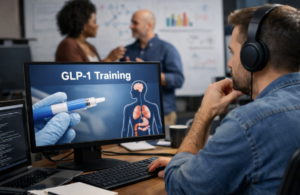
Why IT Professionals Should Pay Attention to GLP-1 Training

GLP-1 training for IT News

The modern IT professional works in a world that rewards speed, adaptability, precision, and endurance. People in information technology are expected to solve problems fast, stay calm under pressure, learn new systems constantly, and perform at a high level even when projects stack up and priorities shift by the hour. Anyone who keeps up with Information technology on Wikipedia, Reuters Technology, and CIO News can see how quickly the landscape changes, especially as AI, cloud infrastructure, cybersecurity, and enterprise transformation continue to reshape the profession.

That is exactly why health conversations inside the IT world need to mature. This is no longer just about looking better, losing a few pounds, or following the latest trend. It is about protecting focus, mobility, stamina, and long-term work capacity in a profession that already demands a great deal from the mind and body. When a field is growing, evolving, and asking more from its people, the smartest professionals pay attention to anything that can help them stay strong and sustainable over time. U.S. labor data shows computer and information technology occupations are projected to grow much faster than average from 2024 to 2034, while CompTIA reports that the tech workforce remains a major part of the U.S. economy and is expected to expand again in 2026.

The IT Profession Runs on Performance, Not Just Knowledge

A lot of people still talk about IT work as if it is purely intellectual. That misses the full picture. The reality is that performance in IT is deeply connected to energy management, physical resilience, emotional steadiness, and the ability to stay sharp under sustained cognitive demand. Long hours at a desk, constant alerts, incident response, deadlines, change management, meetings, and after-hours troubleshooting can wear a person down even when they love the work. The American Psychological Association notes that workplace burnout is tied to chronic workplace stress that has not been successfully managed, and that matters in any high-demand profession.

That is one reason the health side of professional performance deserves more attention on IT websites and in IT culture. It is not separate from career success. It supports it. The people building systems, securing networks, managing cloud environments, and leading digital transformation efforts need more than technical knowledge. They need the physical and mental capacity to keep showing up well. That is especially true in a business climate where Computerworld and InfoWorld continue to report on rapid AI shifts, tooling changes, and new enterprise pressures that affect how technical teams work every day.

Why GLP-1 Training Belongs in the Conversation

GLP-1 is not just a buzzword anymore. GLP-1 receptor agonists are a class of prescription medications used in diabetes care and weight management, and organizations such as the National Institute of Diabetes and Digestive and Kidney Diseases explain that these medications can help people feel less hungry or full sooner. The FDA also continues to update the public on approved GLP-1 options and safety concerns around unapproved products, which is another reason this topic should be handled seriously rather than casually.

That is where GLP-1 training becomes especially relevant for IT professionals. Training in this context is not about hype. It is about building a structured, intelligent approach to movement, strength, recovery, and physical support while someone is pursuing a medically supervised weight-management plan. Medication may change appetite and body weight, but performance, stability, and long-term physical function still benefit from intentional activity. Public health guidance from the CDC and the World Health Organization continues to emphasize the value of regular physical activity and the risks tied to inactivity and excess sedentary time.

Why IT Professionals Have a Special Reason to Care

IT professionals are uniquely positioned to benefit from this conversation because the structure of the job itself can work against physical well-being. Hours of sitting, limited movement during intense project cycles, irregular meals, late-night troubleshooting, and stress-heavy workloads can slowly chip away at energy and recovery. The WHO states that physical inactivity is a leading risk factor for noncommunicable disease mortality, and the CDC notes that regular physical activity supports brain health, sleep, and reduced anxiety. Those benefits are not abstract for IT workers. They touch concentration, patience, decision-making, and daily output.

There is also a practical professional angle. People in tech often think in systems, efficiency, and measurable outcomes. They already understand that better inputs tend to produce better outputs. The same thinking applies here. A smarter health strategy can improve how someone works, recovers, and leads. That matters in a field where TechCrunch Enterprise and enterprise-focused reporting continue to cover AI adoption, software evolution, and the business pressure placed on technical teams to move faster with fewer mistakes.

Training Makes the Conversation More Responsible

One of the strongest reasons to talk about GLP-1 training on an IT website is that it moves the conversation away from shortcuts and toward stewardship. It tells the reader that health is not a gimmick and that results should be supported with responsible habits. A person can be excited about progress and still understand that long-term success requires more than a prescription. The CDC recommends that adults get at least 150 minutes of moderate-intensity physical activity each week, or 75 minutes of vigorous activity, along with muscle-strengthening activity on at least two days per week. That is a useful foundation for almost any serious health plan.

This is also where trust gets built. Readers are more likely to respect content that is measured, informed, and grounded in credible standards. Instead of overselling medication or pretending every person needs the same path, a strong article acknowledges that medical supervision matters, approved products matter, and sustainable training matters. The FDA has specifically warned consumers about illegally sold unapproved GLP-1 products, which makes careful education even more important. When an IT website handles the topic with clarity and restraint, it strengthens credibility instead of weakening it.

A Smarter Framework for IT Performance and Health

For IT professionals, the value of GLP-1 training is not limited to weight management. The deeper value is performance support. A well-built training approach can help reinforce structure in a work life that often lacks it. It can encourage strength work to protect function, walking or conditioning to reduce sedentary load, mobility work to offset desk time, and better recovery habits that support clearer thinking. The CDC’s physical activity guidance and benefits pages both reinforce that movement is connected not only to long-term health but also to improved sleep, reduced anxiety, and maintained cognitive sharpness.

That matters because IT success is rarely about isolated bursts of brilliance. It is about sustained reliability. Teams depend on the network engineer who can stay composed during an outage, the analyst who can think clearly under pressure, the developer who can keep quality high over the long haul, and the leader who can make good decisions in a fast-changing environment. A body that is better supported tends to serve a demanding career better as well. That is not marketing language. It is simple performance logic supported by the broader evidence linking physical activity with better health and function.

Why This Topic Belongs on an IT Website

An IT website does not have to stay trapped inside a narrow definition of technical content. Strong sites increasingly speak to the real life of the professional reading them. That includes leadership, burnout, productivity, adaptability, and health. In a field that is already dealing with change at a relentless pace, content that addresses sustainable personal performance is relevant, not random. It meets readers where they actually live and work.

Writing about GLP-1 training in a thoughtful way can also strengthen perceived authority because it shows discernment. It says the site is not chasing a fad. It is interpreting an important health topic through the lens of professional performance, responsibility, and long-term capacity. That kind of framing aligns well with the expectations of serious readers in IT, especially those who already follow trusted sources for technology and business change. When the article is well sourced, clearly written, and grounded in respected organizations, it does more than fill space. It builds confidence.

Conclusion

IT professionals should pay attention to GLP-1 training because the conversation is bigger than weight loss. It is about supporting the physical side of high-level technical work in a profession that demands focus, resilience, adaptability, and staying power. GLP-1 medications may be part of a medically supervised path for some people, but training is what helps turn short-term momentum into a stronger long-term foundation.

For the IT professional who wants to think clearly, work steadily, manage stress better, and protect long-term performance, this topic deserves real attention. In a world where the demands of the field keep rising, taking health seriously is not a distraction from professional growth. It is part of it.

🚀 Los Angeles SEO for IT Businesses That Want More Leads

IT News for Los Angeles SEO

Technology companies in Southern California are not competing in a quiet market. They are operating in one of the most visible, fast-moving business regions in the country, where innovation, funding, cybersecurity, digital infrastructure, and business services all continue to shape how companies grow. Los Angeles remains a major economic center with a diverse business base, and the broader region continues to be recognized for its role in technology, trade, and entrepreneurship.

For IT businesses, that matters more than ever. You can offer managed services, cloud support, cybersecurity, compliance help, consulting, or custom development, but if the right people do not find you online when they are ready to buy, your company will lose ground to a competitor with better visibility. That is where Los Angeles SEO becomes more than a marketing tactic. It becomes part of how your company earns trust, captures demand, and turns local search traffic into qualified leads.

Los Angeles is not a small-town business environment where a handful of referrals can keep an IT company growing forever. It is a large, layered market made up of startups, professional service firms, healthcare providers, logistics companies, legal offices, real estate groups, ecommerce brands, and established enterprises that all rely on technology to stay running. The region’s technology scene is active, and business coverage continues to highlight funding rounds, product expansion, AI-driven growth, and changing economic conditions that affect how companies buy and sell services.

That means IT businesses need to do more than “have a website.” They need to show up when decision-makers search for help. They need content that supports authority. They need pages that align with buyer intent. They need a digital footprint strong enough to help increase perceived trust, relevance, and visibility over time. When done correctly, SEO supports not just rankings, but stronger Trust Flow, Citation Flow, and Domain Authority by helping your site earn quality signals from useful content, relevant backlinks, and a stronger association with credible industry topics.

Why Los Angeles Is a Strong Market for IT Lead Generation

Los Angeles gives IT businesses access to a wide range of lead opportunities because the local economy is broad, complex, and digitally dependent. Companies across finance, media, transportation, healthcare, education, retail, and manufacturing all depend on secure systems, uptime, cloud tools, hardware, software support, and strategic IT planning. The larger Southern California economy also benefits from trade, advanced industries, and continued startup activity, which creates ongoing demand for technology partners.

Recent business reporting also shows that the region’s tech ecosystem is not standing still. Los Angeles technology coverage continues to feature funding activity, platform launches, AI-related developments, payments innovation, and startup expansion. That kind of movement is important for IT companies because every expanding business, newly funded startup, and scaling organization creates a stronger need for managed support, security oversight, systems integration, and digital performance. See recent coverage from Los Angeles Business Journal, Built In LA, and dot.LA.

For an IT business owner, this creates a major opportunity. The companies you want to work with are already searching online. They are looking for providers they can trust, and they are usually comparing several options before filling out a form or making a call. SEO helps place your business in front of those buyers at the moment intent is highest.

How SEO Helps IT Companies Attract Better Leads

A lead is not valuable just because it exists. A valuable lead is relevant, informed, and close enough to the buying stage that your sales process can move them forward. That is one reason SEO is so powerful for IT businesses. Unlike interruption marketing, SEO meets people when they are already searching for answers.

When someone searches for managed IT services in Los Angeles, cloud migration help, cybersecurity consulting, VoIP support, compliance solutions, or network infrastructure services, they are often not casually browsing. They are usually looking for a provider, evaluating risk, or trying to solve a real business problem. A strong SEO strategy allows your website to appear in those moments with the right message, the right service page, and the right proof points.

That matters in the IT space because buyers are cautious. They are not hiring someone to repaint an office wall. They are trusting a company with systems, security, continuity, data, and internal operations. Your website has to do more than attract traffic. It has to reinforce credibility from the first click. That includes clear service pages, useful educational content, strong technical structure, local relevance, and signals that show your company understands the business environment it serves.

What Makes SEO Especially Important for Los Angeles IT Businesses

Los Angeles is crowded. That is not a drawback if your SEO is built correctly. It is an advantage because a dense market also means high search demand. The challenge is not whether people are searching. The challenge is whether your business is visible when they do.

In a competitive metro area, generic messaging usually fails. IT companies need location-aware content, service-specific pages, and content that speaks to the concerns of local business owners. A law firm in downtown Los Angeles, a healthcare clinic in the county, a logistics company near the port, and a growing startup in Santa Monica may all need IT support, but they do not search the same way or care about the same outcomes.

That is why local SEO for IT businesses should include city and service targeting, industry-specific content, internal linking that supports topic depth, optimized metadata, technically clean site architecture, and content that demonstrates real business understanding. When search engines see that your site covers relevant local topics well, and users respond positively, your visibility can strengthen in the areas that matter most.

Building Trust Flow, Citation Flow, and Domain Authority the Right Way

If the goal is long-term digital strength, your content cannot be thin, generic, or written just to insert keywords. IT businesses need pages that deserve to rank. That means creating content that is useful, specific, and connected to topics credible sites actually care about.

One strong approach is to publish articles that tie your services to real business conditions in Los Angeles. For example, if local business reporting is covering cybersecurity concerns, AI expansion, startup funding, digital payments, or economic pressure on employers, your content can address what those shifts mean for IT planning and business resilience. Los Angeles Business Journal has even featured dedicated coverage around cybersecurity and data protection, reinforcing how central those topics are to the regional business conversation.

Another important piece is authority association. When your content naturally references credible sources, your site becomes more connected to high-trust topical neighborhoods online. Relevant authority links can help readers, improve content depth, and support stronger perceived legitimacy. For context around the California economy and the larger environment businesses operate in, sources like Wikipedia’s overview of the economy of California, the LAEDC 2026 Economic Forecast, and the International Trade Administration all reinforce the bigger business picture.

At the same time, backlink quality matters more than sheer volume. A handful of relevant, credible references and earned mentions can do far more for authority than a pile of weak links. For IT companies, the best link-building often comes from publishing useful local content, earning mentions from industry partners, getting listed in legitimate directories, contributing to business conversations, and building service pages worth referencing.

Content That Converts Traffic Into Actual Leads

Traffic without conversion is expensive, even when it comes from organic search. IT businesses need SEO content that not only ranks, but moves the reader toward action. That means every page should answer practical questions quickly and clearly.

A strong IT service page should explain who the service is for, what problem it solves, what outcomes the client can expect, and why your business is qualified to help. A strong blog article should do the same while also building relevance around supporting topics. In a city as active as Los Angeles, content that speaks plainly about uptime, security, compliance, system reliability, employee productivity, response time, and growth support tends to connect better than vague, over-polished copy.

It also helps to remember that different pages do different jobs. Your homepage builds broad trust. Your service pages capture direct intent. Your blog supports relevance and education. Your location pages build local visibility. Your case studies reduce hesitation. Together, they create a path that turns a searcher into a lead.

Why IT Buyers Respond to Local Relevance

People want providers who understand the environment they work in. In Los Angeles, that means understanding fast-moving industries, a dense competitive landscape, a large metro customer base, and the reality that many businesses rely heavily on digital tools just to stay efficient. LAEDC’s recent economic outlook continues to frame the region as a place dealing with both structural pressure and meaningful opportunity, especially as AI, workforce issues, and business growth remain central topics.

When your SEO content reflects that local awareness, it becomes more believable. A page written for Los Angeles businesses should sound like it understands Los Angeles businesses. It should not feel copied from a template made for every city in America. That is one of the simplest ways to separate your IT company from weaker competitors online.

The Long-Term Value of SEO for IT Growth

Paid ads can create a burst of visibility, but SEO builds an asset. A well-ranked service page can keep bringing in leads month after month. A well-written blog can continue supporting authority long after publication. A technically sound site can improve the performance of every page on the domain.

For IT businesses that want steadier growth, stronger lead quality, and better digital positioning, SEO is not just about being found. It is about building a business presence that keeps working after the content is published. That is especially important in a market where technology companies, startups, and digitally dependent organizations continue to evolve. Los Angeles business and startup reporting keeps showing that this is an active environment for innovation, investment, and operational change.

Conclusion

Los Angeles is a powerful market for IT companies, but it is also a competitive one. The businesses winning online are not always the biggest. They are often the ones with the clearest message, the strongest visibility, and the most trusted digital presence. That is why SEO matters so much.

For IT businesses that want more leads, better lead quality, and stronger authority over time, SEO helps connect the right services with the right buyers at the right moment. It supports trust. It strengthens relevance. It creates opportunities to earn stronger authority signals. And in a city where digital visibility can directly influence growth, that matters.

When your website is built to rank, written to help, and structured to convert, it stops being an online brochure and starts becoming a lead-generation asset your business can rely on.

Why Technical Skills Alone Are Not Enough in IT Anymore

IT News for management business courses

For years, success in IT was often measured by how much a person knew about systems, infrastructure, programming languages, cybersecurity tools, cloud platforms, or troubleshooting. Those abilities still matter. In fact, they matter a great deal. But the modern workplace has changed, and IT has changed with it. Today, being technically capable is no longer the full picture. Companies need people who can translate technology into business value, communicate with decision-makers, guide teams through change, and think beyond the server room or the codebase.

That shift is happening because technology no longer sits in the background of a business. It drives customer experience, productivity, security, operations, forecasting, and growth. When IT becomes central to how a company competes, the people working in IT need more than technical confidence. They also need judgment, leadership, adaptability, and business awareness. That is one reason more professionals are looking at management business courses as a practical way to strengthen the skills that technical training alone does not always provide.

IT Roles Now Sit Closer to Business Strategy

The days when IT departments operated as isolated support units are fading. In many organizations, technology decisions now influence revenue, customer trust, compliance, efficiency, and long-term planning. That means technical workers are increasingly expected to understand priorities outside of pure implementation. They must know how projects affect the business, how budgets shape choices, and how leadership evaluates success.

This broader responsibility is reflected across workforce research and industry reporting. The World Economic Forum’s Future of Jobs Report 2025 highlights that technical skills are rising in importance, but so are qualities like resilience, creative thinking, flexibility, and lifelong learning. IT workers are not just being asked to build and maintain systems. They are being asked to help organizations navigate constant change.

Communication Has Become a Core IT Skill

One of the biggest reasons technical skills alone are not enough is that modern IT work requires constant communication. Professionals must explain risks to executives, guide non-technical departments through new tools, coordinate with vendors, document decisions, and help teams adopt new systems without confusion or resistance. A brilliant technician who cannot communicate clearly may still struggle to create real impact.

This is especially true in environments where AI, automation, cloud migration, data governance, and cybersecurity are changing daily workflows. According to Microsoft’s Work Trend Index and its 2025 workplace research, organizations are moving toward models where employees are expected not only to use technology, but also to lead with it and adapt alongside it. That requires more than technical execution. It requires influence, clarity, and the ability to connect decisions to people and outcomes.

AI Has Raised the Value of Human Judgment

Artificial intelligence is one of the clearest reasons the IT field is evolving so quickly. As more tools automate coding assistance, data analysis, workflow support, monitoring, and documentation, the value of purely technical task execution begins to shift. The professionals who stand out are often the ones who can evaluate outputs, identify risk, think critically, and make sound decisions in context.

IBM’s coverage on the future of work and its reporting on what AI means for the future of work point toward the same reality: organizations do not just need people who can interact with AI tools. They need people who can lead responsibly, plan for workforce change, and apply judgment when technology alone is not enough. In other words, AI is not eliminating the need for skilled IT professionals. It is increasing the need for well-rounded ones.

Leadership Is No Longer Reserved for Executives

A common misconception in IT is that leadership only matters when someone becomes a manager, director, or CIO. In reality, leadership shows up much earlier. It appears when a systems administrator drives a smoother rollout, when a developer helps a team align around priorities, when a security analyst communicates urgency without panic, or when a project lead keeps multiple departments moving in the same direction.

The technical expert who can also lead conversations, resolve friction, and keep people focused often becomes far more valuable than the expert who only delivers technical output. That is why companies increasingly reward professionals who can blend execution with ownership. Leadership in IT now includes initiative, accountability, communication, emotional discipline, and the ability to help others make good decisions under pressure.

The Skills Gap Is About More Than Coding and Systems

There is still strong demand for technical ability, but the larger skills gap now includes capabilities that used to be labeled as secondary. CompTIA’s IT Industry Outlook 2025 and related reporting show that the future of IT is shaped by AI, data teams, new development models, and broader business growth goals. That environment demands professionals who can adjust quickly and work across functions, not just within narrow technical lanes.

LinkedIn’s Skills on the Rise in 2025 also reflects how quickly the landscape is changing. As job requirements evolve, workers who understand both technology and business context will often have the edge. The same platform’s Workplace Learning Report 2025 reinforces the importance of continuous learning and adaptable talent development in an AI-shaped workplace.

Business Awareness Helps IT Professionals Make Better Decisions

An IT professional can design a technically sound solution and still miss the mark if that solution does not fit the organization’s actual needs. This is where business awareness becomes critical. Understanding deadlines, financial constraints, customer expectations, compliance concerns, and operational priorities helps technical workers recommend better options and avoid costly misalignment.

That is also why the field of information technology management continues to matter. IT is not only about maintaining systems. It is about aligning technology resources with organizational goals. When professionals understand that connection, they stop making decisions in a vacuum. They begin making decisions that create measurable value for the business.

Career Growth in IT Now Favors Versatility

The market increasingly rewards people who can move between technical detail and big-picture thinking. A professional who can manage stakeholders, understand project impact, present recommendations, and collaborate with leadership often becomes a stronger candidate for promotion than someone with only deep technical specialization. This does not mean technical mastery has lost value. It means technical mastery is more powerful when paired with versatility.

Coursera’s Job Skills Report 2026 and Global Skills Report 2025 both reflect a broader trend in workforce development: technical growth is increasingly connected to leadership, data literacy, adaptability, and business readiness. Professionals who invest in both sides of that equation are more likely to stay relevant as organizations redefine what strong talent looks like.

Organizations Need Translators, Not Just Technicians

One of the most valuable people in any modern company is the person who can translate. This is the professional who understands the technical side well enough to build or evaluate solutions, but also understands people, priorities, and business language well enough to gain buy-in. That person helps prevent failed rollouts, wasted spending, poor adoption, and miscommunication between departments.

In IT, translators reduce friction. They help leadership understand technical risk without overwhelming them. They help end users feel supported rather than confused. They help vendors, developers, analysts, and operations teams stay aligned. This role is becoming more essential because digital transformation is no longer a one-time initiative. It is a constant business condition.

The Best IT Professionals Keep Expanding Beyond Their Comfort Zone

The strongest long-term strategy for anyone in IT is not to abandon technical development. It is to expand it. The future belongs to professionals who keep sharpening their technical skills while also growing in leadership, communication, business reasoning, and change management. That combination creates durability. It helps people stay valuable even as tools, platforms, and workflows shift around them.

This is also why ongoing education matters so much. Certifications, hands-on experience, project ownership, management training, and business education all contribute to a more complete skill set. In today’s market, the most resilient IT professionals are rarely the ones who only know one thing very well. They are the ones who can connect knowledge, people, and outcomes in a way that moves the organization forward.

Conclusion

Technical skill is still a major foundation for success in IT. No serious company is going to stop valuing people who can secure systems, build applications, manage infrastructure, analyze data, or solve complex problems. But the environment around those tasks has changed. IT now touches every layer of the business, and that means modern professionals need more than technical execution alone.

They need communication. They need business understanding. They need leadership. They need judgment. They need the ability to adapt, guide, and translate. In a field shaped by AI, rapid change, and rising expectations, technical skills may open the door, but they are no longer enough by themselves to carry a career forward. The professionals who rise the highest will be the ones who combine technical depth with the human and strategic abilities that organizations need most now.